

Ferrous Sulfate: The Quiet MVP of Industrial Chemistry
Why this blue-green crystal deserves more respect than it gets
The Underdog Story
Here's the thing about ferrous sulfate: most procurement managers treat it like table salt—cheap, abundant, boring. Pull up any chemical supplier's catalog and you'll find it buried somewhere between "commodity chemicals" and "industrial fillers," priced to move and rarely given a second thought.
But here's what those managers are missing. This unassuming compound—FeSO₄ to the chemistry nerds—is doing heavy lifting across four completely different industries. It's reducing toxic chromium in cement plants. It's cleaning up wastewater that would otherwise poison rivers. It's keeping livestock healthy. And it's turning yellow, dying plants back to green.
One chemical. Four wildly different jobs. That's not boring—that's versatile.
The catch? Not all ferrous sulfate is created equal. The stuff you use to kill moss on your lawn won't cut it in a cement mill. The feed-grade crystals your livestock need are worlds apart from what a water treatment plant requires. And if you're a procurement manager who just bought the cheapest batch without checking the specs, you might have just bought yourself a compliance headache.
This report breaks down how ferrous sulfate actually works in cement, water treatment, animal feed, and agriculture—and what you need to know before signing that purchase order.

1. Cement: Taming Chromium (and Making Concrete Look Old on Purpose)
What's Actually Happening
Walk into any cement plant in Europe and you'll hear about "the chromium problem." Cement clinker—the stuff that comes out of those massive rotating kilns—naturally contains trace amounts of hexavalent chromium, or Cr(VI). That's the bad chromium. The one that causes skin rashes and worse.
EU regulations don't mess around: finished cement can't have more than 2 parts per million of Cr(VI). Miss that target and your product doesn't ship.
Enter ferrous sulfate. The Fe²⁺ ions are natural reducers—they grab onto that toxic Cr(VI) and convert it into Cr(III), which is essentially harmless. The chemistry looks like this:
CrO₄²⁻ + 3 Fe(OH)₂ + 4 H₂O → Cr(OH)₃↓ + 3 Fe(OH)₃↓ + 2 OH⁻
The chromium gets locked up in iron hydroxide precipitates, which then get trapped in the cement's hydration products. Problem solved [1].
Monohydrate or heptahydrate?
This is where form matters. Ferrous sulfate monohydrate (FeSO₄·H₂O) packs about 28.5-30% iron content. It's dry, flows well, and dissolves fast—perfect for adding directly during the grinding stage. You want speed? This is your pick.
Ferrous sulfate heptahydrate (FeSO₄·7H₂O) only has about 20% iron because it's carrying all that water weight. It clumps, it cakes, it's a pain to handle. But dissolve it in water first, and it works fine for premixing or liquid dosing systems.
The decorative side hustle
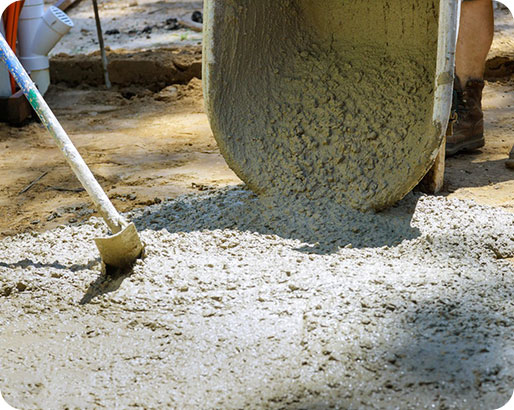
Here's a fun twist: ferrous sulfate has been used for centuries to stain wood. Furniture makers love it for creating that weathered, silvery-gray patina [2]. Turns out, the same trick works on concrete.
Spray a ferrous sulfate solution on a concrete surface and let it oxidize. You get natural rust tones—yellows, oranges, browns—that architects use for that "aged industrial" look. No paint, no coatings, just chemistry doing its thing.

What to Buy (and Why)
For chromium reduction: Go with monohydrate powder or granules, 28.5-30% iron content, particle size under 200 mesh. Add it straight into the mill or premix it with gypsum. Just keep it dry—oxidation is the enemy here.
For decorative concrete: Heptahydrate crystals work great. Mix them into solution, apply to the surface, and let oxidation create the color. The rust spots aren't a bug; they're the feature.
Bonus application: Some researchers are looking at whether pre-dosing monohydrate in underground structures could help prevent alkali-aggregate reactions. Early days, but interesting.
2. Water Treatment: The Three-Tool Swiss Army Knife
What's Actually Happening
Drop ferrous sulfate into wastewater and watch what happens. The Fe²⁺ ions immediately start oxidizing to Fe³⁺ thanks to dissolved oxygen. Those Fe³⁺ ions hydrolyze and form positively charged iron hydroxide colloids—tiny particles that act like magnets for suspended solids and phosphates [3].
The result? Flocs. Big, heavy clumps that settle to the bottom, taking the gunk with them. The sludge dewaters easily, which makes life easier for whoever's running the treatment plant.
But wait, there's more
Ferrous sulfate isn't just a flocculant. It's also a reducer. That means it can convert toxic Cr(VI) to harmless Cr(III), just like in cement. It can break down azo dyes in textile wastewater, helping with color removal [1]. And if you've got hydrogen sulfide stinking up your sewer lines, ferrous sulfate reacts with it to form iron sulfide precipitate, killing the smell.
The Fenton reaction: when you need the big guns
Sometimes regular treatment isn't enough. That's when plants turn to Fenton oxidation—a process where Fe²⁺ catalyzes hydrogen peroxide (H₂O₂) to produce hydroxyl radicals (·OH). These radicals are chemical assassins. They'll tear apart almost any organic pollutant you throw at them [4].
The process looks like this:
- Drop the pH to 3-5 (this is critical)
- Add ferrous sulfate solution
- Slowly add H₂O₂, usually at a 1:5 to 1:10 ratio by weight
If your pH drifts too high, the iron precipitates out and you lose catalytic activity. Worse, the peroxide can decompose dangerously. So automatic pH control isn't optional—it's mandatory [5].

What to Buy (and Why)
For basic flocculation: Dose at 15-50 mg/L as iron. Monohydrate or heptahydrate both work fine here.
For phosphorus removal and odor control: Monohydrate is better. Aim for an Fe: P molar ratio around 1.5-2:1. If you're dealing with hydrogen sulfide, you can combine this with PRI (peroxide-based) technology to cut chemical costs.
For Fenton oxidation: You need tight pH control (3-5 range). Invest in automated systems. Also, trace dosing (0.02 mM) can boost biological phosphorus removal, improving COD and nitrogen removal rates.
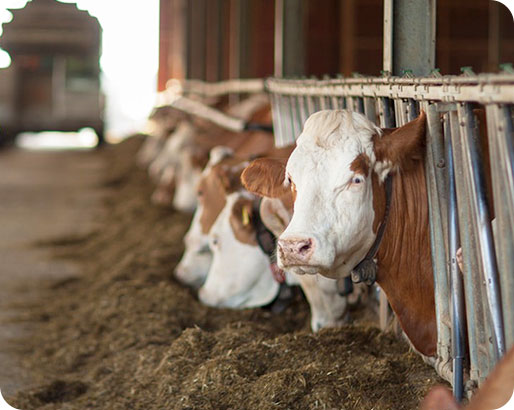
3. Animal Feed: Iron, Sulfur, and Healthier Livestock
What's Actually Happening
Iron = blood
That's the simple version. The more accurate version is that iron is essential for synthesizing hemoglobin, myoglobin, and cytochromes—the molecules that transport oxygen through an animal's body. Without enough iron, you get anemia. With anemia, you get poor growth, weak immune systems, and economic losses.
Feed-grade ferrous sulfate monohydrate delivers at least 30% iron and about 18% sulfur [9]. Animals absorb it through their digestive tracts, and it goes straight to work building red blood cells and supporting metabolic functions [10].
Sulfur matters too
People forget about the sulfur, but it's just as important. Sulfur is a building block for amino acids like methionine and cysteine. It's also essential for gut bacteria, which means better digestion and nutrient absorption.
According to Globalfeed, feed-grade ferrous sulfate has high bioavailability (over 30% usable iron), stable chemistry, and low heavy metal contamination—meeting both EU and international animal nutrition standards [11].
Granules vs. powder
Granulated monohydrate is the gold standard for feed mills. It flows smoothly through automated systems, doesn't create dust clouds, and won't clump up like heptahydrate crystals. If you're running a premix line, granules save you headaches.

What to Buy (and Why)
For piglets and broilers: Monohydrate granules with ≥30% iron, particle size 0.5-2 mm. Pair it with vitamin C to boost absorption rates.
For ruminants: Monohydrate or heptahydrate powder works as a cost-effective sulfur source. You can also blend it with zinc and copper for custom premixes.
For aquaculture and pets: Fine monohydrate powder is your best bet.
Environmental bonus: Adding ferrous sulfate during manure fermentation significantly reduces H₂S in biogas, cutting down on odor pollution from livestock operations.
4. Fertilizer and Soil: Fixing Iron, Dropping pH, Killing Moss
What's Actually Happening
Iron + sulfur in one bag
Ferrous sulfate is one of the cheapest ways to deliver both iron and sulfur to crops. Monohydrate packs 30% iron and 18% sulfur, with no chloride [9]. That makes it a solid choice for fixing iron deficiency chlorosis—the condition where plants turn yellow because they can't make enough chlorophyll.
Acidifying alkaline soils
Ferrous sulfate breaks down in soil, releasing sulfuric acid through hydrolysis and oxidation. That lowers pH, which is exactly what you want in alkaline or calcareous soils where nutrients get locked up.
The downside? It takes about eight times as much ferrous sulfate as elemental sulfur to get the same pH drop, according to Purdue University research [12]. So it's faster-acting but less efficient by weight.
Moss control and lawn greening
Gardeners have been using ferrous sulfate for decades. Mix 5 ounces into 4 gallons of water and you can treat 1,000 square feet of lawn. The moss dies, the grass gets a dark green color boost [13].
Just know that the greening effect is mostly cosmetic—it doesn't actually make the grass grow faster [14]. And after you kill the moss, you should apply lime to bring the pH back up.
Disease prevention
In agriculture, ferrous sulfate is used to prevent wheat smut, apple scab, and other fungal diseases [15]. It's not a cure-all, but it's a cheap preventative measure.

What to Buy (and Why)
For iron deficiency: Heptahydrate crystals or monohydrate granules work for foliar sprays. In high-pH soils, consider chelated iron instead.
For soil acidification: Monohydrate powder is the way to go. Just calculate your application rate carefully based on soil buffering capacity—overdoing it can burn plants.
For moss control: Heptahydrate solution is effective. Don't water the lawn right after application or you'll wash it away.
For soil remediation: The reducing properties of monohydrate powder can convert selenium, arsenic, and chromium contaminants into less toxic forms. This is an emerging application in brownfield cleanup projects.
The Bottom Line: Stop Treating It Like a Commodity
Ferrous sulfate isn't just a cheap byproduct anymore. It's a workhorse chemical with real versatility across cement, water treatment, feed, and agriculture. The key is understanding which form you need and why.
Quick recap:
- Cement: Monohydrate reduces chromium fast; heptahydrate creates decorative rust finishes.
- Water treatment: Does triple duty as flocculant, reducer, and Fenton catalyst. Monohydrate preferred for phosphorus removal.
- Feed: Monohydrate granules deliver bioavailable iron and sulfur with minimal dust.
- Fertilizer: Fixes iron deficiency, drops soil pH, kills moss, and even helps with contaminated soil cleanup.

For procurement managers, the lesson is simple: stop buying on price alone. Source matters. Form matters. Purity matters. Get those wrong and you're either wasting money or risking compliance failures.
The other opportunity? Circular economy plays. Ferrous sulfate is a byproduct of titanium dioxide production and can be recovered from phosphorus removal sludge. Companies that figure out how to close those loops aren't just saving costs—they're building sustainable supply chains.

This report pulls from peer-reviewed sources and industry data. If you've got specific procurement questions or want to dig deeper into any application, let's talk.
References
- Cement Chromium VI Reducers | Holderchem — https://holderchem.net/en/articles/posts/batimix-cement-chromium-vi-reducers-solution/
- Iron Sulfate (Ferrous Sulfate) – TerraChrom — https://terrachrom.com/en-us/products/iron-sulfate
- Choosing the Right Coagulants in Water Treatment — https://go2eti.com/blog/coagulants/
- Fentons Reagent General Chemistry Using H₂O₂ - USP Technologies — https://usptechnologies.com/fentons-reagent-general-chemistry-using-h2o2/
- Anaerobic Digester Hydrogen Sulfide Removal at the Manatee County, FL Southwest Water Reclamation Facility — https://usptechnologies.com/wp-content/uploads/2021/03/Manatee-PRI-DE-WEFTEC-2007.pdf
- Application of Ferrous Sulfate — ChemicalBook — https://www.chemicalbook.com/article/application-of-ferrous-sulfate.htm
- Iron Sulfate Monohydrate 30 | Yara United States — https://www.yara.us/crop-nutrition/fertilizer-products/other-fertilizers/iron-sulfate-monohydrate-30/
- Industrial Grade Ferrous Sulphate Monohydrate Powder - Polifar — https://www.polifar.com/30-Feed-Grade-Ferrous-Sulphate-Monohydrate-Powder-pd40913566.html
- Ferrous Sulphate Monohydrate Feed — Globalfeed — https://globalfeed.es/en/products/ferrous-sulphate/ferrous-sulphate-monohydrate-feed
- Lowering Soil pH with Sulfur — MSU Extension — https://www.canr.msu.edu/uploads/files/Lowering_Soil_pH_with_Sulfur.pdf
- Moss & Algae Control in Lawns | Clemson HGIC — https://hgic.clemson.edu/factsheet/moss-algae-control-in-lawns/
- Managing Moss in Lawns in Western Oregon | OSU Extension — https://extension.oregonstate.edu/catalog/pub/em9175
Related news
-
2024.11.15
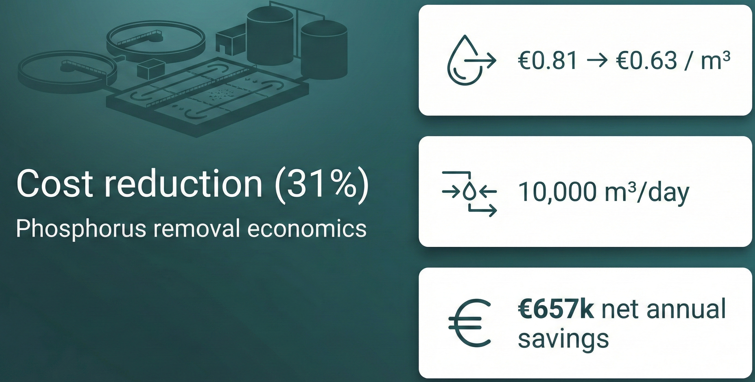
How a Polish Wastewater Plant Reduced Phosphorus-Removal Costs by 22%
Most operators lose the war on efficiency by winning the skirmish on procurement. They obsess over chemical invoices while ignoring the systemic entropy—corrosion—that devours their infrastructure from within. This technical case study of a Polish wastewater plant is more than just a report on switching chemicals; it is a cognitive reframe. It exposes a brutal reality: the "cheaper" input often demands a hidden, compounding tax in the form of corrosion, excessive maintenance, and accelerated capital depreciation. By shifting their lens from "invoice price" to "systemic health," this facility didn't just slash chemical costs by 31%. They broke free from the reactive maintenance spiral and reclaimed strategic mastery over their operational flow. -
2024.11.15
Navigating the Red-Mud Treatment Chemical Market (2026)
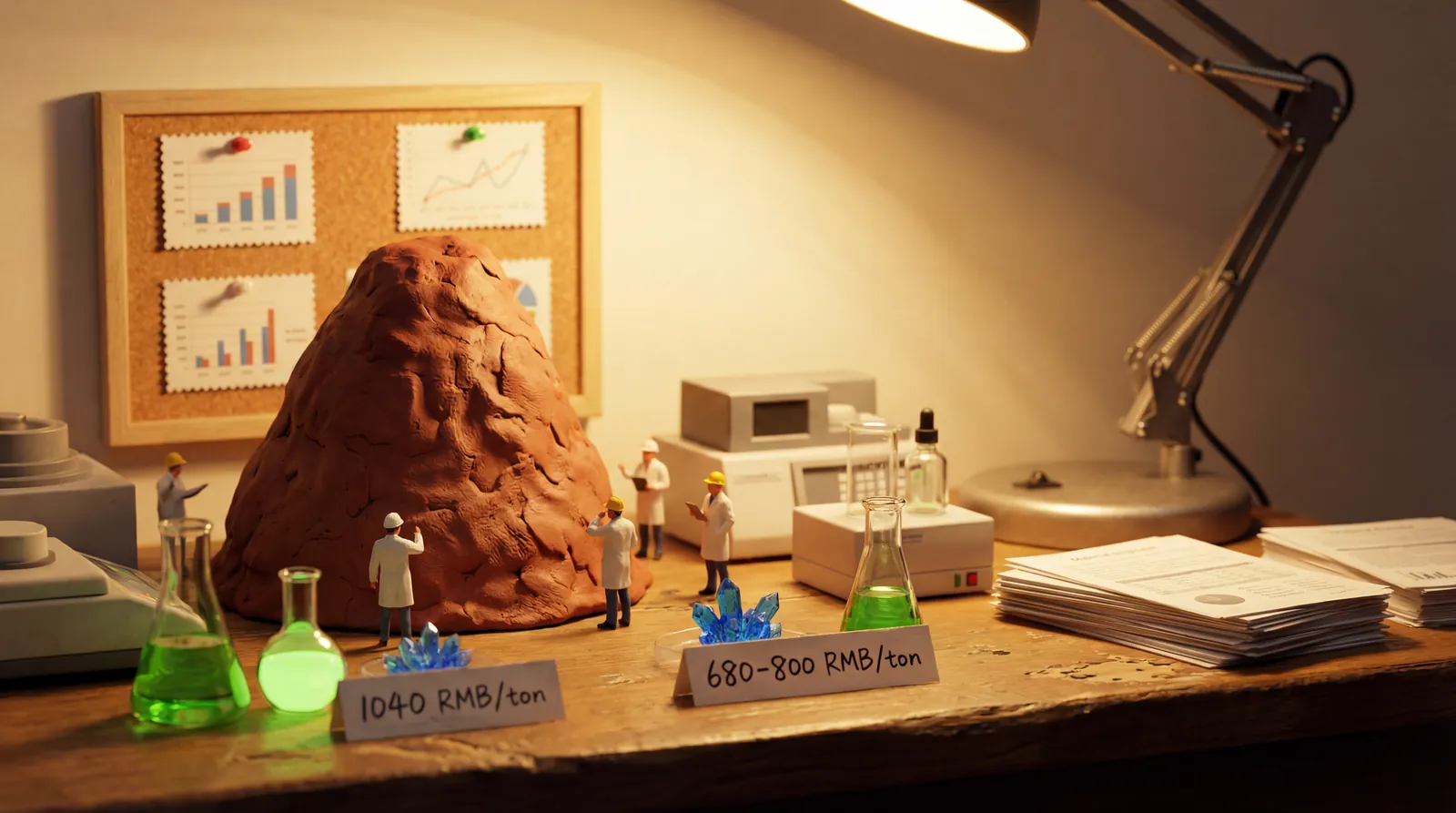
In 2026, traditional price-tag procurement is dead. With sulfuric acid prices skyrocketing by 127.5% and ferrous sulfate doubling in just six months, you are no longer managing costs—you are managing systemic entropy. Stop obsessing over transparent unit prices and start viewing highly alkaline red mud as a "high-voltage battery" ready to be harnessed for heavy metal remediation via cost-effective alternatives like CO2 capture. By implementing the 70/30 rule—securing 70% of your volume while maintaining 30% spot flexibility—you build regional resilience in a structurally scarce market, acknowledging that the hidden costs of a fragile supply system are far more lethal than any visible price on a spreadsheet.