



-
 2026.02.14
Ferrous Sulfate: The Quiet MVP of Industrial Chemistry
Most procurement managers' view of ferrous sulfate reveals a cognitive blind spot: Cheap = unimportant. But here's the paradox: The same compound reduces toxic chromium in cement plants, catalyzes Fenton reactions in wastewater facilities, synthesizes hemoglobin in feed mills, and remediates heavy metals in soil. Four industries. Four technical requirements. One chemical purchased like a "commodity." The problem isn't ferrous sulfate. The problem is using a single dimension (price) to understand a multi-dimensional system (performance × context × risk). It's like using a bathroom scale to assess health—you get a number that tells you nothing. I didn't write this to "educate about ferrous sulfate." I wrote it to deconstruct: Why do we systematically underestimate "basic" things? Because complexity is hidden. Monohydrate vs. heptahydrate differences aren't on price lists. pH impact on reactions isn't in specs. Heavy metal gaps between feed-grade and industrial-grade aren't volunteered. What you don't know won't affect decisions—until it becomes a compliance audit, quality failure, or environmental fine. This article shows how to reframe "simple procurement" into "strategic choice." This isn't chemistry. This is about building high-resolution decision frameworks in information asymmetry. Real leverage hides in details "nobody cares about." -
 2026.02.12
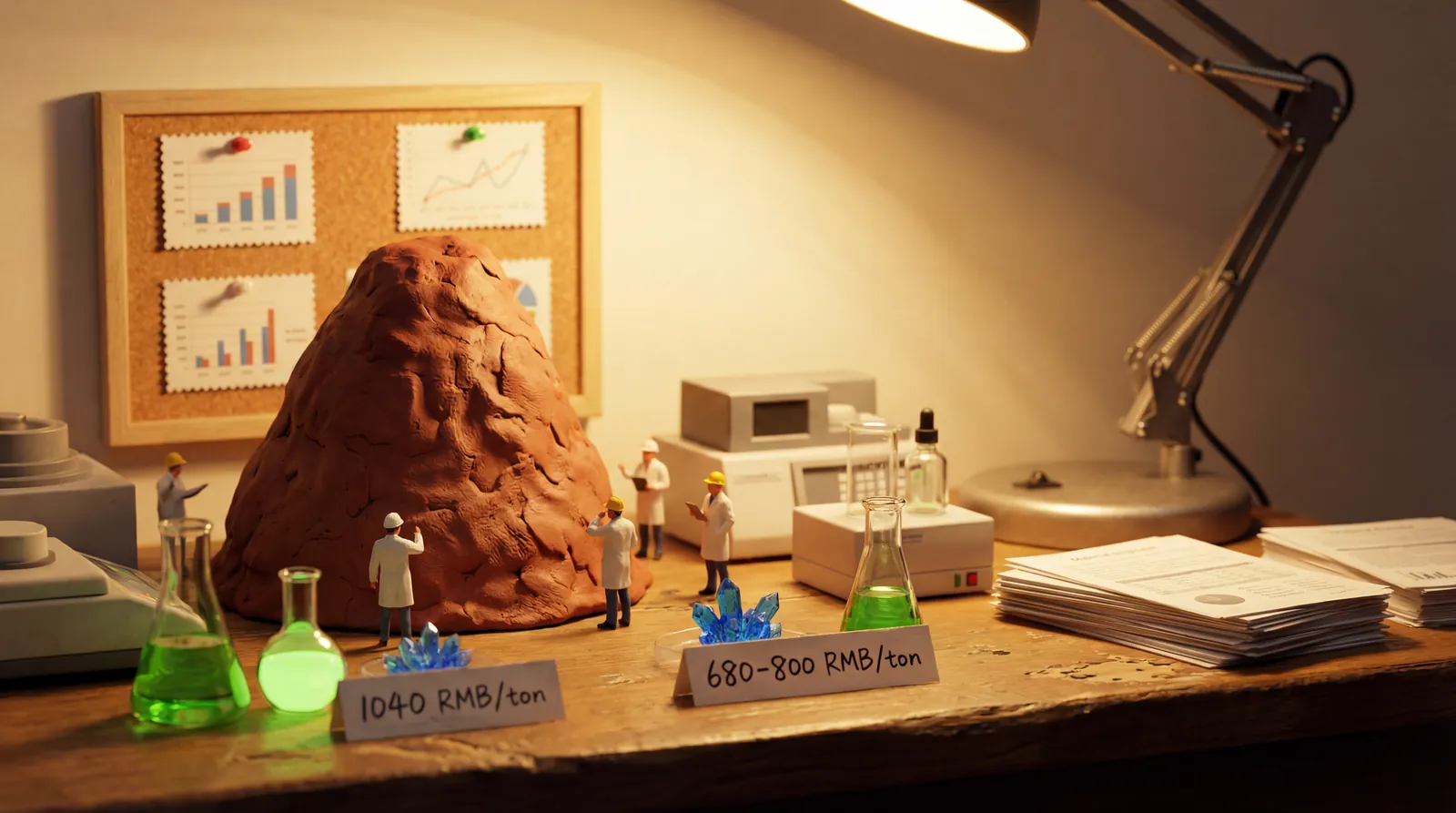
Navigating the Red-Mud Treatment Chemical Market (2026)
In 2026, traditional price-tag procurement is dead. With sulfuric acid prices skyrocketing by 127.5% and ferrous sulfate doubling in just six months, you are no longer managing costs—you are managing systemic entropy. Stop obsessing over transparent unit prices and start viewing highly alkaline red mud as a "high-voltage battery" ready to be harnessed for heavy metal remediation via cost-effective alternatives like CO2 capture. By implementing the 70/30 rule—securing 70% of your volume while maintaining 30% spot flexibility—you build regional resilience in a structurally scarce market, acknowledging that the hidden costs of a fragile supply system are far more lethal than any visible price on a spreadsheet. -
 2026.02.06
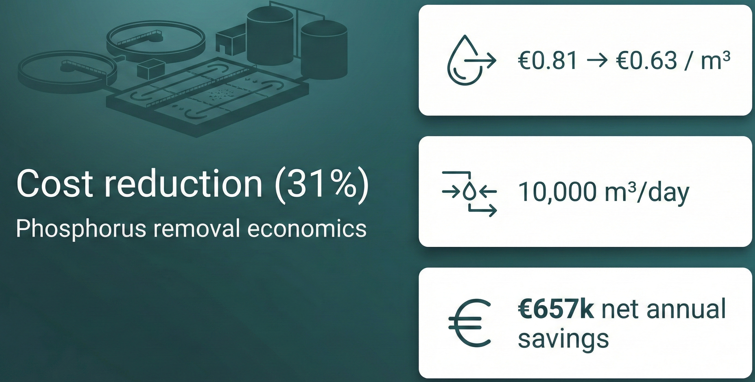
How a Polish Wastewater Plant Reduced Phosphorus-Removal Costs by 22%
Most operators lose the war on efficiency by winning the skirmish on procurement. They obsess over chemical invoices while ignoring the systemic entropy—corrosion—that devours their infrastructure from within. This technical case study of a Polish wastewater plant is more than just a report on switching chemicals; it is a cognitive reframe. It exposes a brutal reality: the "cheaper" input often demands a hidden, compounding tax in the form of corrosion, excessive maintenance, and accelerated capital depreciation. By shifting their lens from "invoice price" to "systemic health," this facility didn't just slash chemical costs by 31%. They broke free from the reactive maintenance spiral and reclaimed strategic mastery over their operational flow.